Three weeks. Twenty-one stages. A start in Barcelona and a finish on the Champs-Élysées. The Tour de France is one of the few sporting events that turns an entire country into a grandstand, and following it well takes a little planning. The roads close early. The crowds arrive earlier. A car that knows the back routes and a driver who knows when to set off is the difference between catching the peloton and watching it on a phone from a layby. Here is how to do it properly.
The dates, and why they matter
First, the fixed point. The 2026 Tour de France runs from 4 to 26 July, starting in Barcelona and finishing in Paris after twenty-one stages. The race will feature five summit finishes, two of them at Alpe d’Huez, and a final stage that passes through Montmartre before the Champs-Élysées. That final detail matters more than it sounds. The Paris finish now carries real drama, not just a procession, which means the closing weekend is busier than ever.
Three weeks is a long time to chase a bike race. Most people follow two or three stages rather than the whole thing. Pick your moments. The mountains reward patience and a good driver.
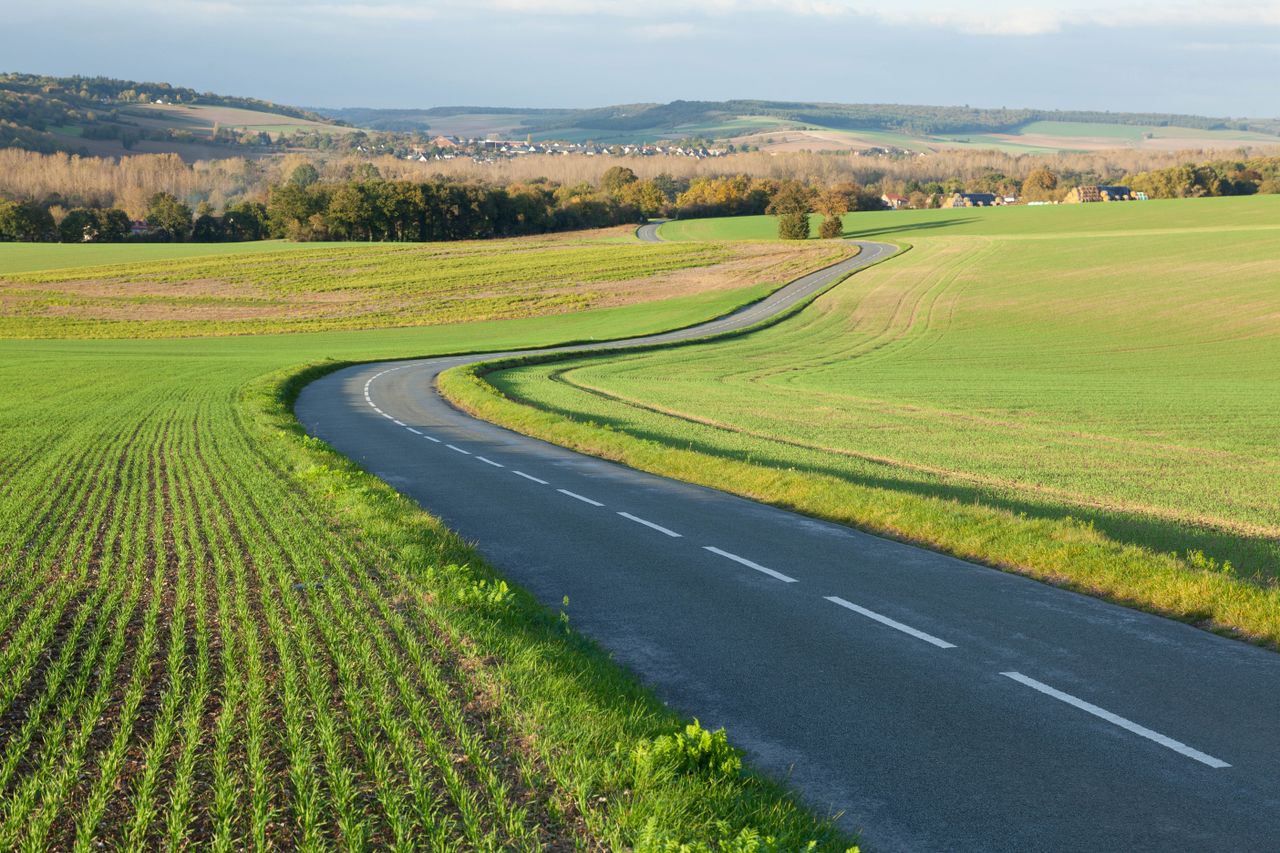
Roadside in the mountains
The Alpine stages are where the Tour is decided, and where the logistics get serious. The final mountain block includes two high-altitude summit finishes at Alpe d’Huez, with the queen stage carrying over 5,500 metres of climbing across iconic ascents like the Col du Télégraphe and the Galibier. Spectacular to watch. Punishing to reach.
Mountain roads close hours before the riders arrive, sometimes the night before for the marquee climbs. The trick is to be dropped above the closure point early, then collected once the road reopens. A private driver with local knowledge handles the timing so you do not spend the descent in a four-hour queue. Our hourly hire works well here: keep the car for the day, let the driver wait at a sensible spot, and move when the gendarmes lift the barriers.
Getting into France
If you are flying in for a stage, the airport transfer sets the tone. Arrive at Nice for the southern and Alpine days, and a Nice airport transfer puts you on the road without the taxi-rank scramble. For the Pyrenean and Paris stages, our standard airport transfer service covers the major hubs across France.
Flight times shift, especially in peak July. Your driver tracks the arrival and waits. No meter running while you queue at passport control. If you are travelling as a group with bikes, bags and a cool box, the business van swallows all of it and keeps everyone together.
The Paris finale
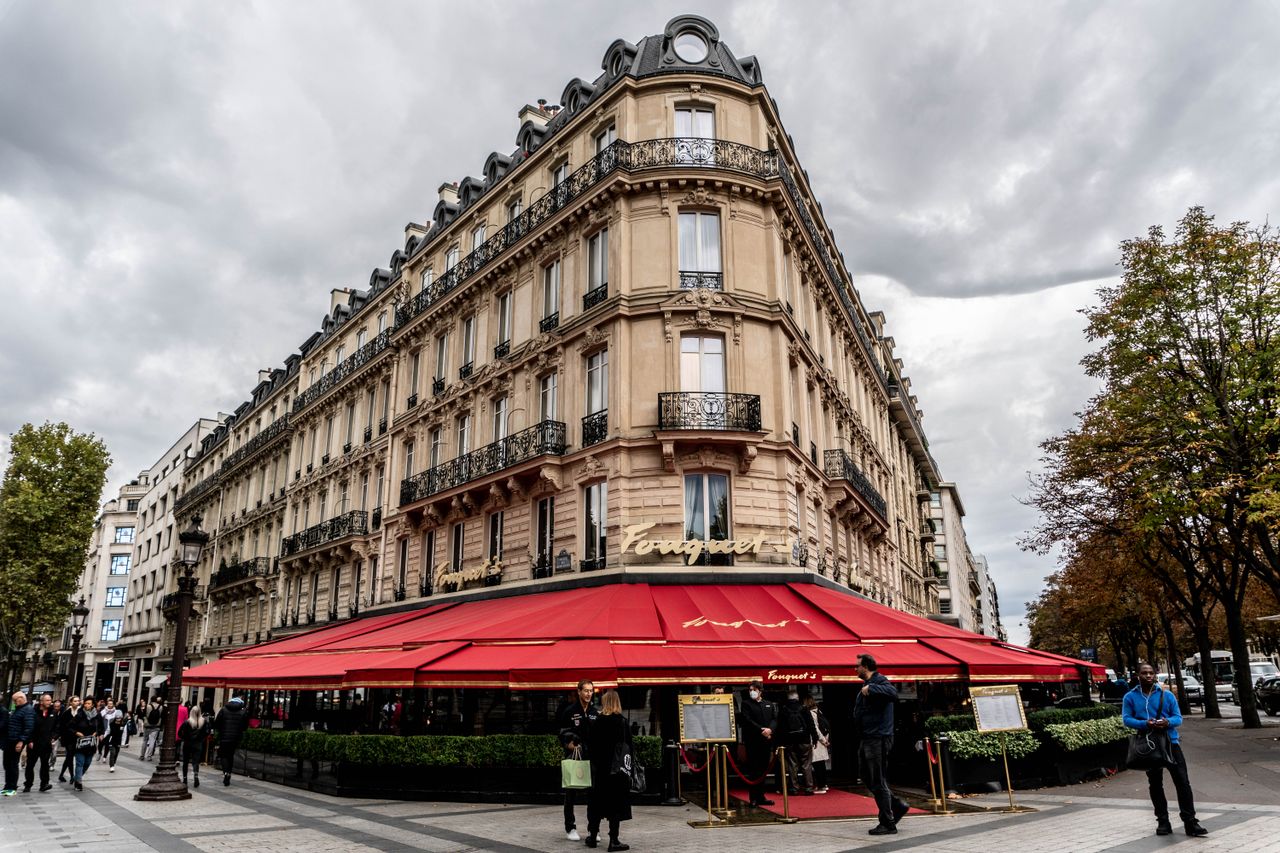
The closing weekend in Paris is its own event. With the Montmartre passage now part of the route, the crowds along the final circuit are vast and the road closures sprawl across central districts. Driving yourself is a poor idea. Parking is worse.
A chauffeur drops you near the action, then collects you once the streets reopen, which can be late into the evening. If you are entertaining guests or clients around the finish, our first class fleet handles the arrival with the discretion the occasion deserves. The Tour finishing in Paris is a fine excuse for a good dinner afterwards, and someone else doing the driving.
Bringing the business along
Plenty of people follow the Tour with work attached: hospitality, sponsor commitments, a day out for a key account. That changes the brief. You need reliability, punctuality and a driver who reads the situation.
Our corporate chauffeur service covers the moving parts, from station pickups to roadside positioning for guests who want the spectacle without the slog. For larger groups and structured days around stages and ceremonies, our event transport team coordinates multiple vehicles so nobody is left waiting at a closed junction.
A short plan that works
Keep it simple and you will see more racing. A rough template:
- Choose two stages: one mountain finish, one flat day or the Paris arrival.
- Book the transfer in from your arrival airport, with flight tracking.
- Hold the car by the hour on stage days so timing stays flexible.
- Travel by van if you are a group with kit; take the first class option for guests.
- Build in slack around road closures. They always run longer than posted.
Do that, and the Tour stops being a logistics headache and becomes what it should be: long lunches, high passes and the sound of a peloton arriving before you see it.