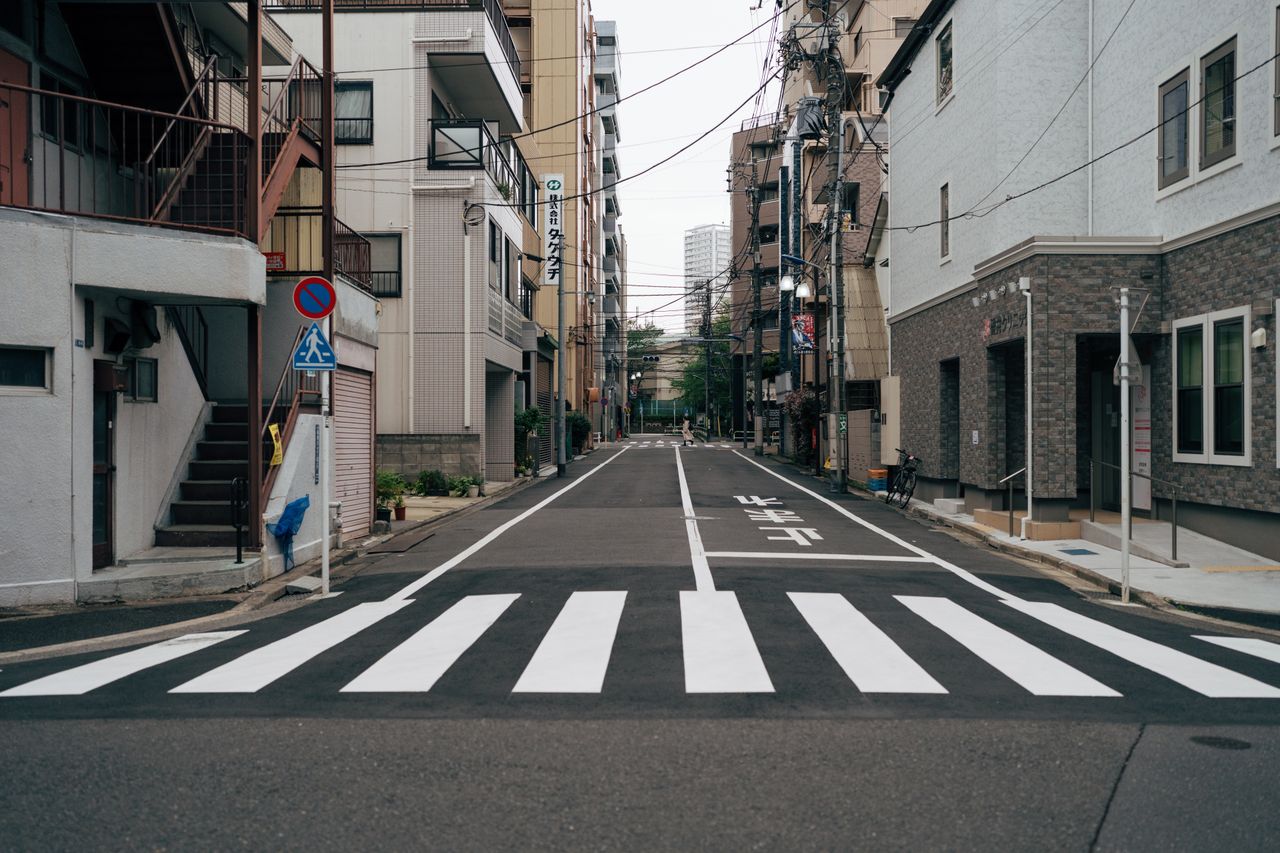
Tokyo runs on precision. Trains leave to the second, meetings start when they say they will, and a delay of ten minutes can change how a deal feels before a word is spoken. For a business traveller, the city rewards anyone who plans the ground game properly. The flight is the easy part. What happens between the aircraft door and the boardroom is what decides whether you arrive composed or frayed. This is our working guide to moving through Tokyo with a chauffeur, written for people who land to work, not to wander.
Choose your airport, then plan backwards
Tokyo has two international gateways and they are not interchangeable. Haneda sits close in. Haneda is roughly 15km from the heart of the city, and on a clear run a car reaches central districts in well under half an hour. Narita is a different proposition. It sits around 80km east in Chiba, and the drive into town usually takes between an hour and 90 minutes depending on traffic.
The practical lesson: if your schedule allows any say in the matter, favour a Haneda arrival for a morning meeting. If you land at Narita, build the longer transfer into your timeline rather than hoping for a clear motorway. Either way, a pre-booked airport transfer takes the guesswork out, with your chauffeur tracking the flight and waiting on arrival rather than you queuing in a taxi rank after a long haul.
Why the chauffeur beats the train, on business at least
Tokyo’s rail network is superb, and on a personal trip we would tell you to use it. On business the calculation changes. After a fourteen-hour flight, the last thing you want is to wrestle luggage through a station, change lines and surface into the rain three blocks from your hotel. A car gives you a quiet space to read a brief, make a call to head office, or simply sit still before the day begins. The door you leave from is the door you arrive at. For anyone carrying samples, presentation kit or several bags, that matters more than the fare.
There is also the question of address-finding. Tokyo’s block numbering follows its own logic, and many buildings are easier to reach by knowing the landmark than the street. A local chauffeur already knows the difference between the Marunouchi side and the Yaesu side of Tokyo Station, which saves a tense final ten minutes.
The districts you will actually be working in
Most business in Tokyo clusters in a handful of areas, and knowing them helps you plan your day’s movements.
- Marunouchi and Otemachi: the financial and corporate core beside Tokyo Station, home to banks, trading houses and head offices.
- Roppongi and Toranomon: international firms, law and consultancy, plus many of the better business hotels.
- Shinjuku: government, corporate towers and a dense hotel district on the west side.
- Shibuya: technology, media and the start-up world, increasingly where the younger money sits.
- Nihonbashi and Ginza: established commerce, client dinners and the kind of restaurant where relationships are built.
If your day spans two or three of these, an hourly hire is usually the sensible structure. The car waits while you meet, then takes you to the next address without you rebooking each leg. It also gives you a fixed base for bags and coats during back-to-back appointments.
Timing, traffic and the rhythm of the city
Tokyo traffic is busy but disciplined. The pinch points are predictable: weekday mornings into the central business districts, and the early evening as offices empty. The expressway network moves well between peaks, though tolls and the occasional jam mean no honest driver will promise you an exact minute during rush hour.
Plan client meetings with a buffer. Japanese business culture treats punctuality as a sign of respect, and arriving a few minutes early is the norm rather than a courtesy. A good chauffeur builds that margin in without being asked, leaving earlier than strictly necessary so that a held-up junction never becomes your problem. If you have a fixed slot, tell your driver the time you must be seated, not the time you would like to leave.
Etiquette, comfort and the small things that read well
Tokyo notices detail. A clean, quiet car arriving on time says something about you before you have shaken a hand. Hand your business card with both hands and receive theirs the same way; your chauffeur will have you at the entrance with enough composure to do it properly. Tipping is not expected in Japan, so there is no awkward fumbling at the kerb. The service is simply included and done well.
For client-facing journeys, the vehicle is part of the impression. Our first class fleet in Asia suits the moment when you are collecting a senior guest or arriving at a formal dinner in Ginza. For day-to-day movement between meetings, the business class option gives you the same quiet and the same reliability without overstating things. Both come with a driver who understands that silence is sometimes the service.
Making it work for a whole trip
The travellers who get the most from Tokyo treat ground transport as one piece, not a series of separate bookings. Arrival transfer, daily meetings, a client dinner, the run back to the airport: planned together, they hold to a single standard and a single point of contact. For teams visiting regularly or running an event, a corporate chauffeur arrangement keeps billing, scheduling and standards consistent across every leg and every passenger.
Leave room for the city itself, too. If a meeting finishes early, an hour with a car is enough to see the view from a tower in Roppongi or pick up a gift in Nihonbashi before the next appointment. Tokyo gives a great deal back to anyone who arrives organised. The groundwork is what frees you to focus on the reason you flew.