Salzburg in high summer runs on a strict clock. Curtains rise on time, the Festspielhaus doors close, and the old town fills with people in evening dress trying to reach the same few streets at once. The city was built for horses and pilgrims, not for a fleet of taxis converging on the Herbert von Karajan Platz at 18:45. This guide is for the evenings that matter: how to arrive unhurried, how to handle the intervals, and how to get back to your hotel without the scramble. The 2026 Salzburg Festival runs from 17 July to 30 August.
We have driven these festival nights for years. The details below are the ones that make the difference between a good evening and a tense one.
Why the last mile is the hard part
Salzburg’s festival venues sit inside a pedestrian core. The Grosses Festspielhaus, the Haus für Mozart and the Felsenreitschule share one address at the foot of the Mönchsberg, reached through narrow lanes that fill quickly on performance nights. The Salzburg Festival is one of the world’s most important festivals for opera, music and drama. That reputation brings crowds, and the crowds bottleneck at the same corners.
The trick is not the drive into the city. It is the final few hundred metres. A driver who knows where to set down, where waiting is tolerated and where it is not, and which side street clears first after the interval, saves you the part of the evening no one enjoys. Our point-to-point service is built around exactly this: a clean arrival, a known pickup point, and a car that reappears when you do.
The programme, and what it means for timing
The 2026 edition leans hard into opera. The Salzburg Festival will present five staged opera productions plus one semi-staged and three concert performances in the coming year. The operas Carmen by Georges Bizet, Ariadne auf Naxos by Richard Strauss and Saint François d’Assise by Olivier Messiaen are new productions. There is also Mozart on the bill, fittingly. Audiences can expect productions of high-caliber works, including highlights such as Wolfgang Amadeus Mozart’s ‘Così fan tutte’.
This matters for your car. A Messiaen evening and a two-hour concert are not the same logistical animal. Long operas with two intervals end late and let out in a single surge. Concerts run shorter and finish in a tighter window. Tell your driver the exact production, not just the date. We plan the pickup around the real running time, not a guess.
The scale is worth understanding too. The 106th edition offers 171 performances across opera, drama and concert, plus 35 in the youth programme, with 208 events taking place at 19 venues. Nineteen venues means your evening might start at the Festspielhaus and your late supper might be across the river. That is a job for a car, not a walk in good shoes.
Getting in: the airport and the arrival
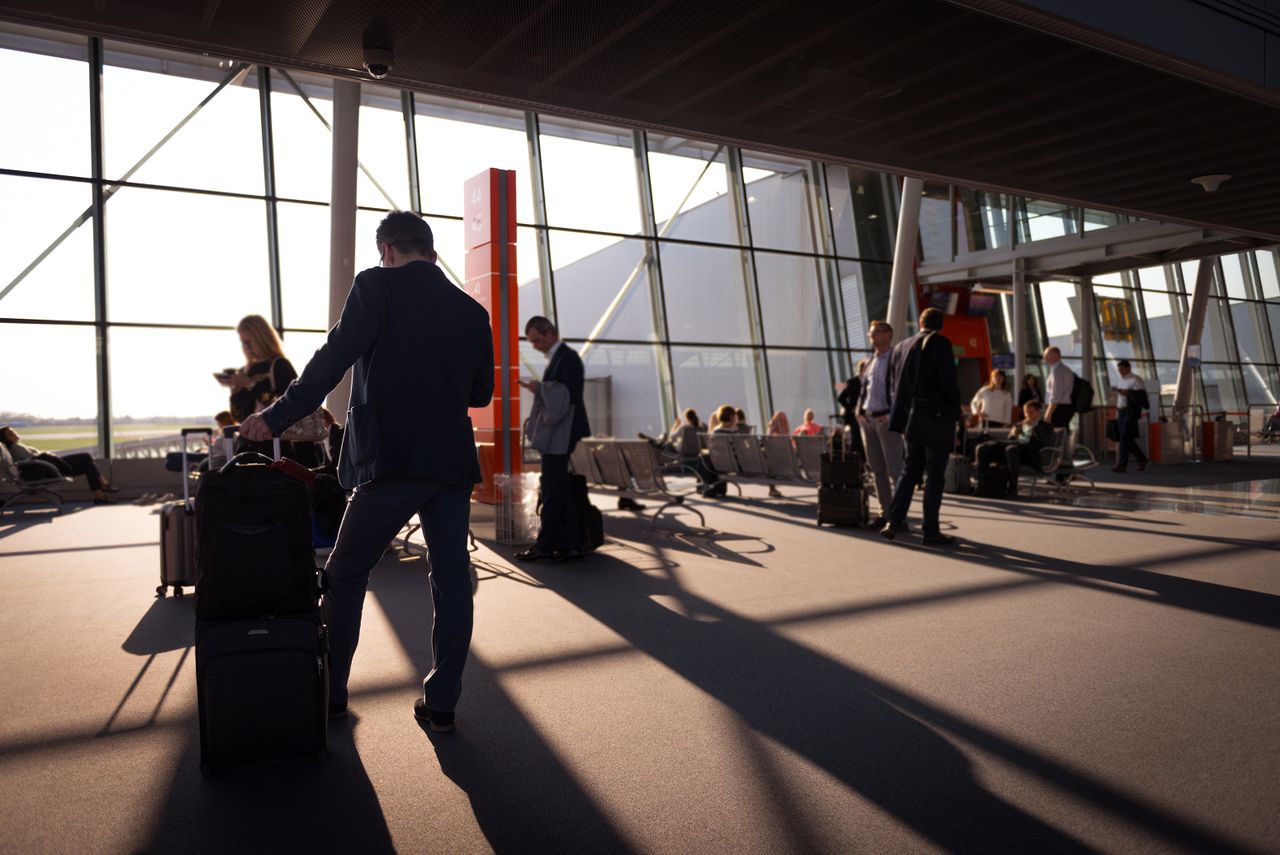
Most of our festival guests fly into Salzburg’s own airport or come through Munich. Salzburg is closer and quieter. Munich gives you more direct long-haul options and a straightforward two-hour run down the A8. Either way, the handover should be calm: a driver at arrivals, luggage handled, and a direct route to your hotel with no meter anxiety. Book the airport transfer in advance and the arrival stops being the stressful part of the trip.
For the drive itself, comfort depends on the party. A couple travelling light will be well served by our business class saloons. If you are arriving as a group, or with a wardrobe of evening wear and a few days’ luggage, the business van keeps everyone together and unruffled. For the occasion that asks for more, the first class range fits the tone of a festival opening night.
Booking tickets and beds early
Salzburg fills up. In total 217,851 tickets are on sale, priced between ten and 485 euros, with half of them costing between ten and 120 euros. The best seats and the popular nights go first, so treat tickets and hotel as a single booking exercise. Central hotels in particular are in demand during the festival period.
Practical order of operations, in short:
- Choose your performance first: check the date, start time, venue and running length.
- Secure tickets while your preferred night is still open.
- Book a central hotel early, before the good rooms go.
- Arrange your car once the timings are fixed, so pickups match real curtain times.
If your visit stretches beyond a single performance, an hourly service is the sane way to handle the days around it. Keep the same driver on call for lunch on the lake, a dress fitting, or an afternoon at Schloss Mirabell, and let someone else worry about parking.
The interval, the ending, and the quiet exit
Salzburg intervals are long and social. People spill onto the terraces, drinks are ordered in advance, and the second half begins whether you are back in your seat or not. Your car should sit out of the crush and wait for a message, not idle at the door in a way that draws attention. Discretion here is the whole point.
The ending is where planning earns its keep. A packed house empties in minutes, and the streets around the Festspielhaus jam immediately. We agree a pickup point that stays clear, well away from the obvious front-door scrum, and we time the car to you rather than the other way round. You walk out, you get in, you go. No standing in the crowd scanning for a number plate.
Beyond the performance
Many guests build a proper stay around the festival. Those not coming for a single performance can pair the visit with classic excursions: Schloss Mirabell and the Mirabell Gardens, the Museum der Moderne on the Mönchsberg, or a boat trip on the Salzach are especially close at hand. The Salzkammergut lakes are a short drive out, and worth a full day.
For corporate groups, sponsors or private parties attending together, coordinating several cars across a week takes real logistics. Our event transport team handles that end to end, from airport arrivals to synchronised departures after the final curtain. One point of contact, one plan, no loose ends.
A note on tone
The Salzburg Festival rewards people who are not flustered. The music asks for your full attention, and it is hard to give that if the last hour was spent worrying about how you will get home. Good transport is invisible when it works. That is the standard we hold ourselves to on these nights: you should remember the Carmen, not the car.