Spielberg is a small town in Styria that triples in size for one weekend a year. The Red Bull Ring sits in a natural bowl, hemmed by green hills, and the lap is one of the shortest on the calendar. That compactness is the appeal and the headache. The 2026 Formula 1 Lenovo Austrian Grand Prix runs from 26 to 28 June, with the race on Sunday 28 June. The roads around the circuit, however, were not built for the crowd it draws. Around 300,000 people passed through over a recent race weekend, and the lanes feeding the valley can only take so many at once. This is a guide to arriving calm, watching the racing, and leaving without losing an afternoon to a queue of motorhomes.
The weekend at a glance
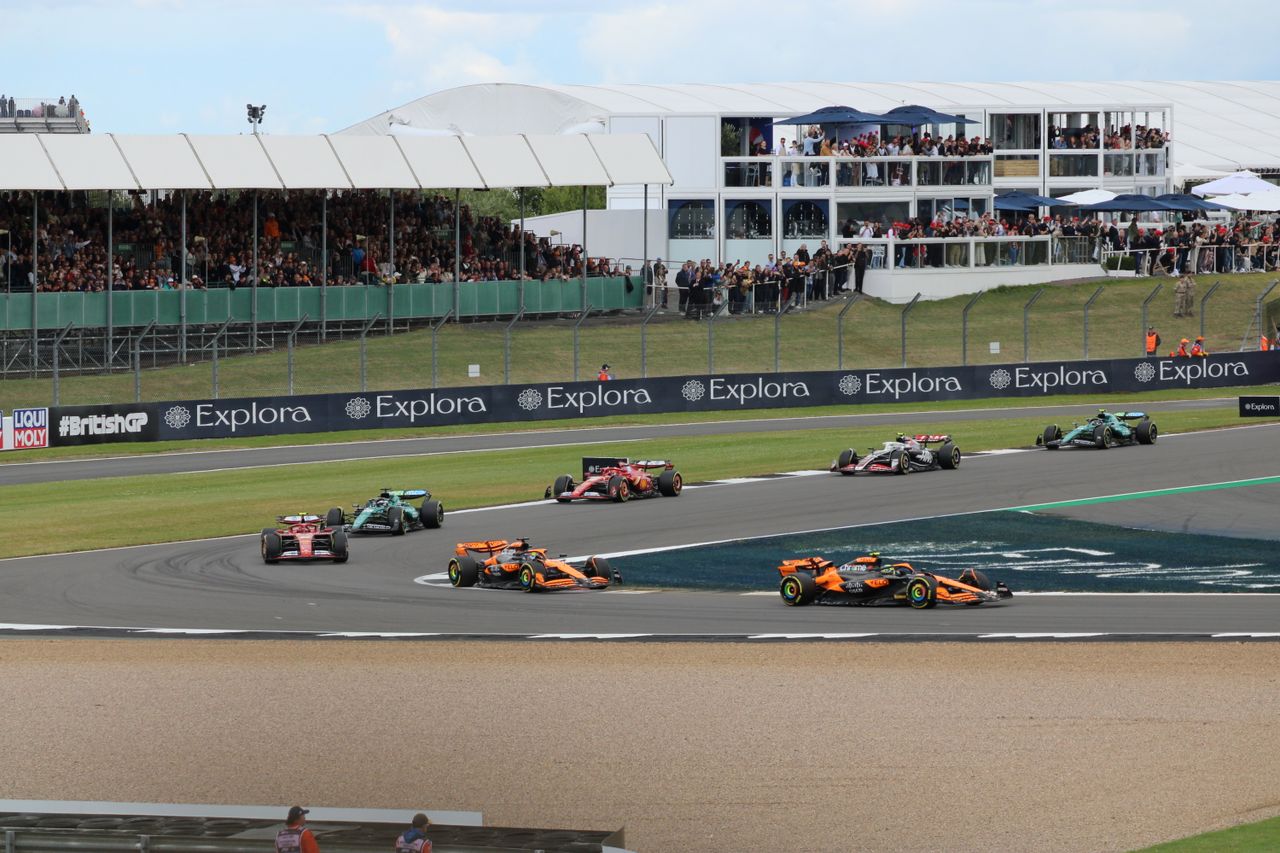
The format follows the traditional three-day structure, with no sprint. Friday opens with two practice sessions. Saturday brings a final practice in the morning and qualifying in the afternoon. Sunday is the race, and it is the heavy day for traffic in and out of the valley. The lap itself is short and fast, three straights split by a pair of uphill right-handers, then a downhill run through quick corners. Drivers complete it in a little over a minute, which means plenty of action from almost any grandstand.
If you are building a schedule, treat Sunday as a day with no margin. Plan your arrival around the on-track timetable, not around lunch, and you will spend the morning watching support races rather than watching brake lights.
Flying in: Graz, Vienna, and the routes that matter
Two airports do most of the work. Graz is the closest, roughly an hour from Spielberg by road, and it handles regular connections from the larger European hubs. Vienna is the bigger gateway, with long-haul reach and a direct rail link down to Graz. Salzburg and Klagenfurt are useful alternatives depending on where you are flying from, and Munich works for guests arriving from further north who prefer a longer drive over a connection.
Whichever you choose, the last leg into the Murtal valley is the part that rewards local knowledge. Our airport transfer service tracks your flight, so a delay on the inbound does not leave a car waiting on the meter or, worse, gone. From Graz the run is just over an hour in normal conditions. On race weekend it is not normal conditions, and the difference between a smooth approach and a long crawl comes down to timing and the right access road.
Why a chauffeur beats the car park
Parking near the Red Bull Ring is mostly free public ground, and most of it cannot be booked in advance. The official guidance is to arrive early, because the closer spaces fill first and you may be directed elsewhere on the day. After the race, cars are generally held until the worst of the exit traffic clears, which on Saturday and Sunday means leaving the parking areas from the early evening.
A chauffeur sidesteps the whole exercise. You are dropped at an agreed point, collected at an agreed point, and the driver manages the waiting. No hunting for a space at dawn, no sitting in a static field at dusk. For groups, our business van keeps everyone together with room for bags and the inevitable merchandise. For couples or pairs travelling light, the first class saloon handles the valley roads quietly and quickly.
Where to base yourself
Accommodation close to the circuit is limited and books out far in advance. Most visitors stay in Graz, around an hour south, or spread across the smaller Styrian towns and spa resorts within reach of the track. Graz gives you a proper city base: restaurants, a walkable old centre, and that rail link if you want a day off the road. The towns nearer the valley put you closer to the action but offer less to do once the engines stop.
Wherever you land, the daily shuttle in and out is the recurring cost in time. Booking an hourly service across the weekend means the same driver, who learns the routine by Friday and has the approach roads judged by Sunday. It is the difference between a holiday and a logistics operation.
Making more of Styria
The region is worth more than three days of racing. Graz has a museum dedicated to its most famous export, Arnold Schwarzenegger, in the suburb where he grew up. The countryside between the circuit and the city is wine and pumpkin-seed-oil territory, with thermal spas dotted through the hills for the day after the noise. If you are extending the trip, an hourly car lets you string together a few of these without a hire car and the parking that comes with it.
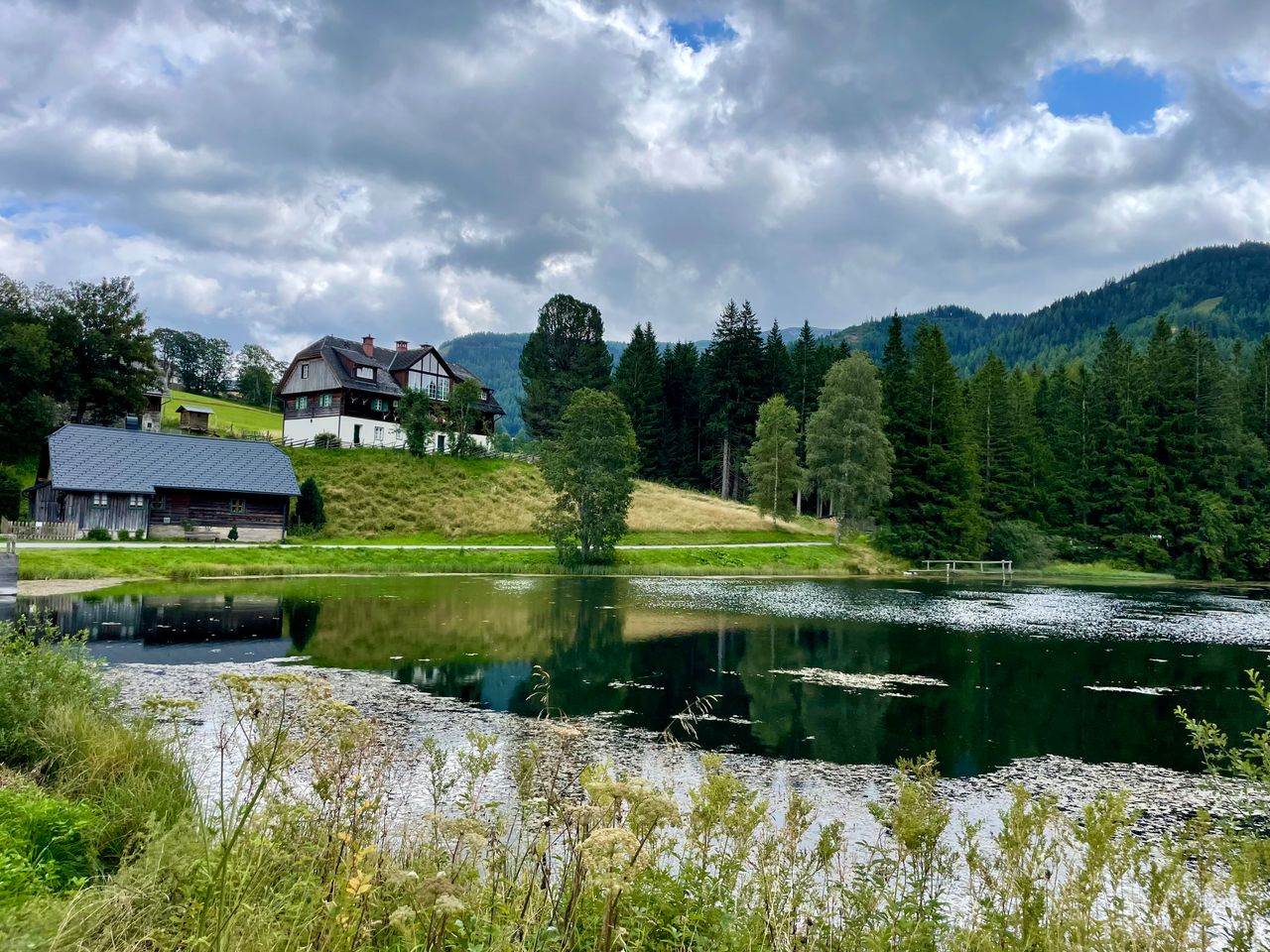
Spielberg itself is quiet for fifty-one weeks of the year, which is part of its charm. The drive in from any direction runs through open farmland and low mountains, and on a clear June morning it is one of the better commutes in motorsport.
For companies and hospitality guests
Plenty of guests arrive for business rather than fandom: client hosting, sponsor activation, a day in the paddock club. The brief there is different. Discretion, punctuality, and a car that suits the company you keep. Our corporate chauffeur service is built for exactly that, and for larger programmes we handle the full event transport across multiple cars and arrivals. One point of contact, one schedule, and drivers who understand that a missed slot at the gate is not an option.
Booking ahead pays
Demand around the Austrian Grand Prix is concentrated into a few days, and the cars best suited to it go first. The sensible move is to lock in your transfers as soon as flights and tickets are confirmed, then refine the daily timings closer to the weekend. We operate across Europe and beyond, so the same standard you expect at home travels with you to Styria.
Set your timings against the on-track schedule, leave the parking to someone else, and let the Red Bull Ring be the only thing you have to think about. You can book your race-weekend transfers now and have the valley sorted before you pack.